
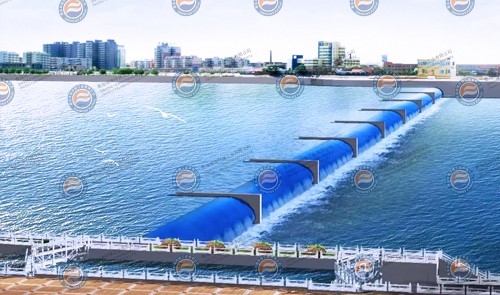
Rubber dam, also known as rubber sluice, is made of high-strength synthetic fiber fabric as a force skeleton. The inner and outer layers of fabrics are coated with rubber as a protective layer to processed into the rubber body. The rubber body is anchored on the concrete foundation to form a closed dam bag. Pipes need to be laid in advance under the concrete foundation. Inflation and deflation of the rubber dam can be carried out automatically and by remote control.
A rubber dam is formed by pumping air or water into the body. The air is supplied from an air blower and water can be supplied from the mains or through a pump. Generally, the filling and discharging time of water filled rubber dam is longer than that of air filled rubber dam. The cost of these two kinds of rubber dams is similar. Rubber dam can be divided into pillow type rubber dam, inclined rubber dam, rubber dam with spoilers, fin rubber dam, arc rubber dam collapsible weir. Rubber dam project includes rubber dam bag, anchorage system and filling and discharging control system. The rubber dam is easy to operate and is extremely durable. Rubber dam project has short construction period and low overall cost. A lightweight structure of rubber dam means better earthquake resistance.
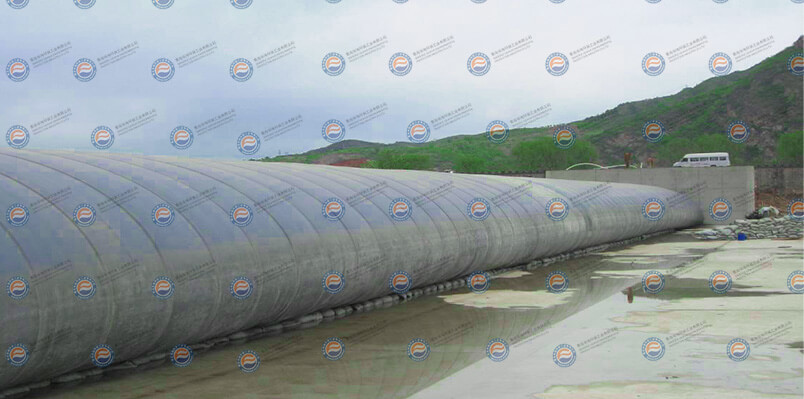
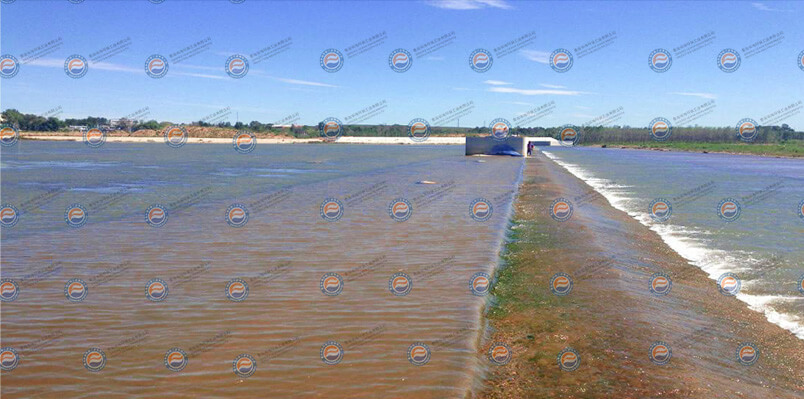
Although the rubber dam is rarely repaired, unlike the conventional steel gate, which needs to be painted regularly to prevent rust. Regular inspection of rubber dam should be carried out, especially after the flood. It is necessary to check whether there are any floating objects or debris causing stabbing damage to the dam bag, as well as the damage caused by the vibration of the dam body, the abrasion of the dam bag and the concrete foundation, and the friction of stones in the river against the dam bag. Rubber dam is easy to be damaged by sharp objects, so the management scope and safety area of rubber dam project should be defined on site.
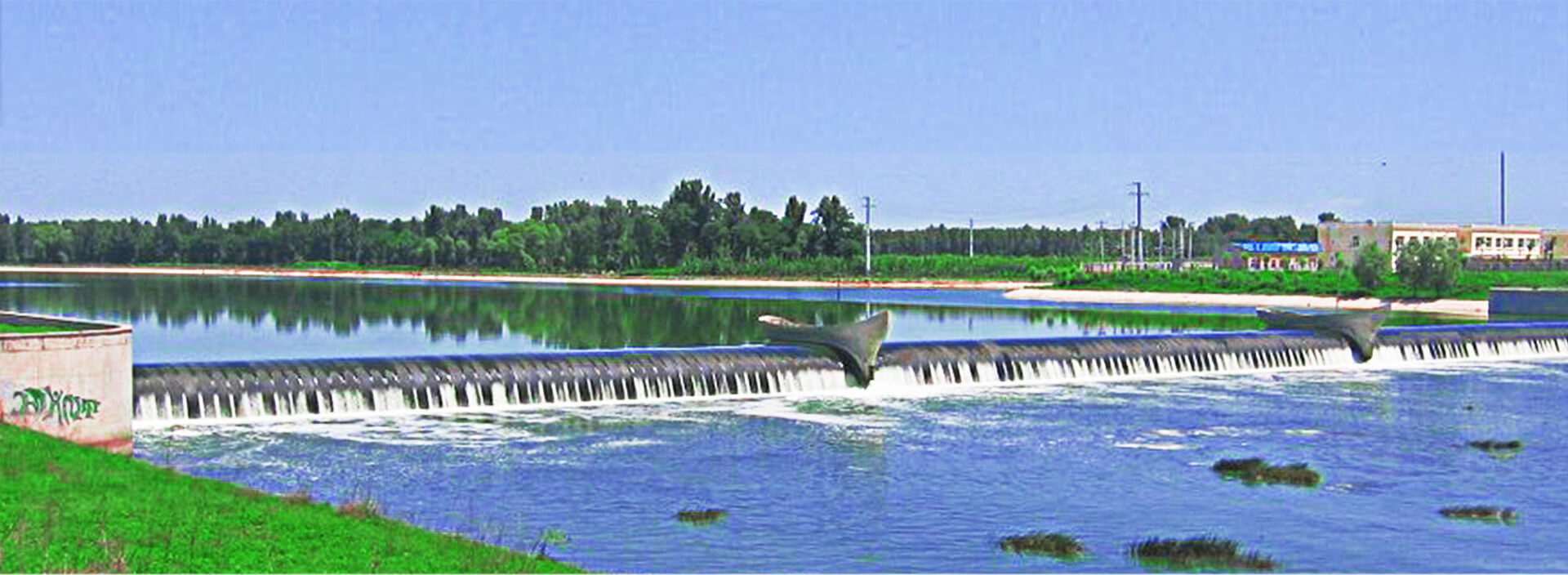
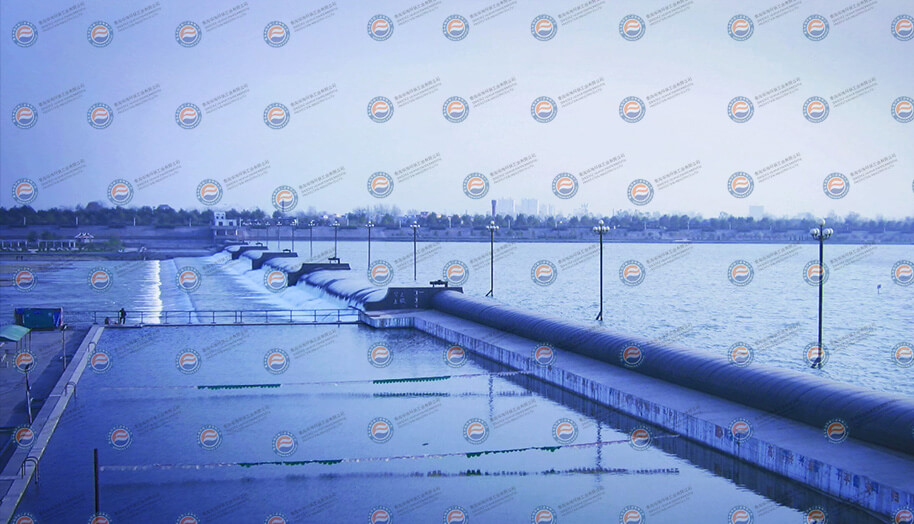
In the 1950s, in order to meet the needs of industrial and agricultural production, rubber dam came into being. The rubber dam is a permanent structure which is formed by pumping air or water into the dam body. The dam body is made up from layers of fabric which are coated with synthetic rubber. Since 1994, HUAHAI has been involved in the design, supply and manufacture of rubber dams and spillway gates around the world. Compared with other stone and steel dams, the most prominent feature of HUAHAI rubber dam is that the dam body is fabricated in one piece at the factory and rolled up for easy transportation to site, which shortens the construction period.
With the accelerated pace of urban modernization in China, urban rivers are playing an increasingly important role in both economic development and ecological conservation. Across the country, the construction of the inflatable flexible membrane dams has been adopted as a primary engineering measure to improve the urban ecological environment, pursue social and economic benefits, and promote comprehensive development of urban riverways.
Huahai undertook the production of the the inflatable flexible membrane dams for the Fen River Rubber Dam Project in Taiyuan in 2001, with a total length of 225.3 meters and a height of 2.5 meters. On December 28, 2001, the project was awarded the "Best Example of Human Settlements in China" by the Ministry of Construction. On May 30, 2002, the United Nations Human Settlements Programme (UN-Habitat) granted the Taiyuan Fen River Scenic Area the "2002 Dubai International Award for Best Practices in Improving the Living Environment." In August 2005, the Fen River Scenic Area was designated a "Water Conservancy Scenic Area" by the Ministry of Water Resources, and in October of the same year, it was named an "Outstanding Sports Park" by the General Administration of Sport of China.
Notable projects such as the "Fen River Park" in Taiyuan, the planning and construction of the water system around Linyi City, the Beijing Chaobai River Olympic Project, the "Water City" in Liaocheng, Shandong, and the "Creating the Hefei Seine" waterscape blueprint have all utilized rubber dam technology for river regulation, thereby enhancing urban functionality. As rubber dam technology continues to advance, its applications are expected to become even more widespread.
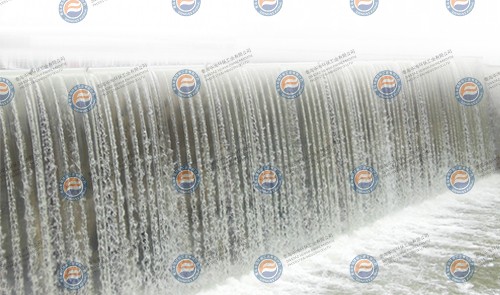
To expand the aesthetic function of rubber dams, Huahai began developing colored rubber dams in the early 1990s. When overflowing, these vibrantly colored dams resemble colorful waterfalls, blending seamlessly with the surrounding natural landscape. Huahai’s colored rubber dams are produced using unique formulations, high-quality materials, and advanced manufacturing techniques. The dam bags exhibit uniform and stable coloring, maintaining their vibrancy for many years without fading, achieving international advanced standards.
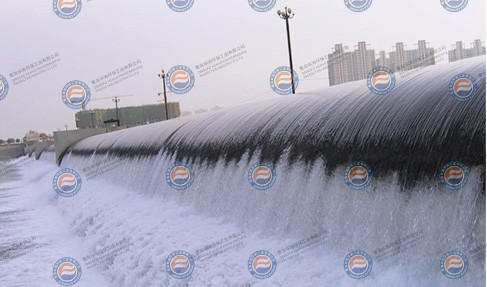
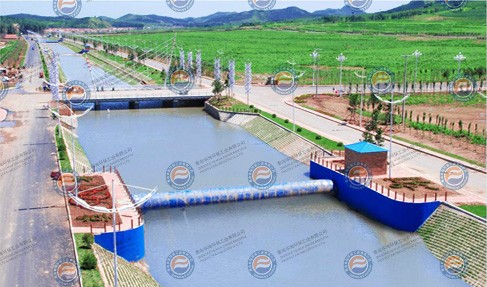

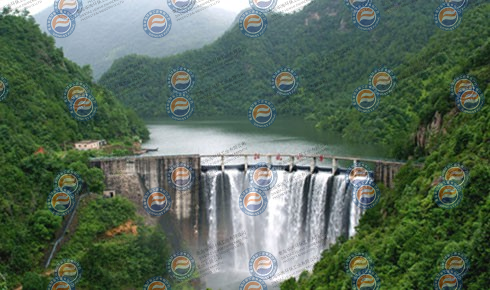
Installed on reservoir spillways as gates or adjustable weirs, rubber dams serve to increase reservoir capacity and power generation head. From the perspective of efficient water resource utilization, they can raise the height of spillways or barrage structures, enabling more comprehensive use of water resources. Many hydropower stations have chosen "Huahai Brand" rubber dams to unlock the potential benefits of reservoirs or hydropower projects.
Rubber dams effectively resolve the conflict between water storage for power generation and flood control. During non-flood seasons, the inflated dam retains water, raising the normal pool level to maximize storage volume and utilize surplus hydraulic head. During flood periods, the deflated dam rests flat, functioning just like the original spillway without impeding flood discharge.
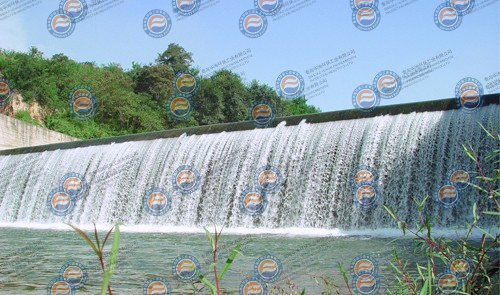

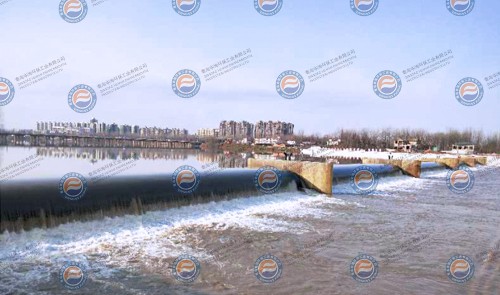
Used in river channels as low-head, wide-span weirs or spillways, rubber dams eliminate the need for traditional gate hoists, service bridges, and other ancillary structures.
When used as breakwaters or tidal barrier gates along coastlines, rubber dams demonstrate superior performance to metal gates due to their resistance to seawater corrosion and marine organism attachment.


It enhances the reliability of irrigation water supply and improves water storage capacity, ensuring adequate water for irrigation during drought years.


Address: No.555 Yueyahe Road, Huangdao District, Qingdao, China
TEL:Rubber Dam & Spillway Gate; Oil Spill Recovery Equipment +8653288139929
FAX:0086-532-88139937
E-mail:sale@huahai-online.com

 鲁公网安备 37021102000487号 Support | Newview